
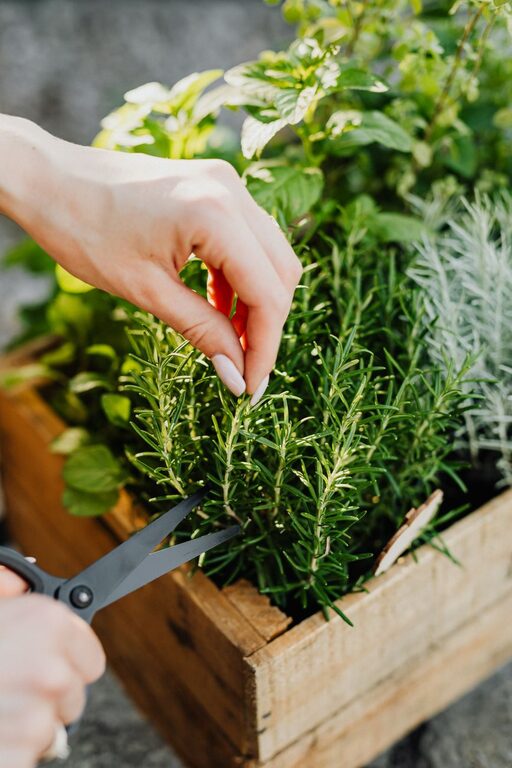
Fresh herbs can make everyday meals taste brighter, more fragrant, and more personal. The good news is that you do not need a large yard or advanced gardening skills to grow them. A few containers, a sunny window, or a small outdoor corner can become a productive herb garden.
These easy projects are perfect for women who enjoy cooking with fresh flavors and want a practical garden that looks attractive, too. Each idea can be adapted to fit your available space, cooking habits, and personal style.
Start With the Right Herbs
Before choosing a project, think about the flavors you use most often. Growing a few reliable favorites is usually more rewarding than planting too many varieties at once.
Consider starting with:
– Basil: Great for pasta, salads, sandwiches, and homemade sauces
– Parsley: Useful in soups, grain dishes, sauces, and garnishes
– Chives: Adds a mild onion flavor to eggs, potatoes, and creamy dips
– Mint: Refreshes drinks, fruit salads, and desserts
– Rosemary: Works well with roasted vegetables, chicken, and bread
– Thyme: Complements beans, soups, vegetables, and roasted dishes
– Cilantro: A flavorful choice for salsas, rice dishes, and fresh toppings
– Oregano: A classic herb for tomato sauces, pizza, and Mediterranean-style meals
Most herbs need several hours of sunlight each day and soil that drains well. If you are growing indoors, place containers near a bright window. Outdoors, choose a location that is easy to reach from the kitchen.
Project One: Create a Kitchen Windowsill Herb Garden
A windowsill garden is one of the simplest ways to keep fresh herbs nearby. It is especially useful for apartment kitchens, small homes, or anyone who wants herbs available while preparing meals.
Supplies
– Three to five small pots with drainage holes
– A shallow tray to protect the windowsill
– Indoor potting mix
– Herb seedlings or seeds
– Small plant labels
– A sunny window
Choose pots that are wide enough for the plants to grow comfortably. Terracotta pots are classic and attractive, while lightweight plastic containers are easy to move.
Fill each pot with potting mix, leaving a little space at the top. Plant one herb per container unless the pot is large enough for multiple plants. Add labels so you can identify each herb quickly.
Water when the soil feels slightly dry. Avoid letting the pots sit in standing water, since overly wet roots can cause problems. Turn the containers every few days so the plants grow evenly toward the light.
Cooking Tip
Keep basil, parsley, and chives closest to your main preparation area. These herbs are easy to snip and can become part of your daily cooking routine.
Project Two: Build a Vertical Herb Garden
A vertical garden is a smart option when floor and counter space are limited. It also creates an attractive wall display for a balcony, patio, or kitchen entrance.
Simple Vertical Garden Options
– A wooden ladder with pots placed on each step
– A wall-mounted planter with several pockets
– A sturdy hanging shoe organizer used outdoors
– A set of small containers attached to a fence
– A narrow shelf with labeled herb pots
Choose a structure that can hold the weight of containers, soil, and water. Make sure every pot has drainage and that excess water will not damage a wall or floor.
Place herbs according to their growth habits. Upright herbs such as rosemary and thyme can go on lower shelves, while trailing varieties can hang over the sides. Keep taller plants from blocking sunlight for shorter ones.
A vertical garden also makes harvesting easier because the herbs are displayed at eye level. Add simple wooden or chalkboard labels for a finished look.
Project Three: Make a Repurposed Container Herb Garden
Many household items can become useful herb containers. Repurposing containers is an inexpensive way to add personality to your garden while keeping materials out of the trash.
Try using:
– Clean food tins
– Wooden boxes
– Ceramic bowls
– Old mugs
– Glass jars with drainage added
– Small baskets lined with a waterproof material
If the container does not have drainage holes, add them before planting. For metal containers, use a drill with care and smooth any sharp edges. If you cannot create drainage, use the item as a decorative cover for a smaller pot that has holes.
Paint or decorate the outside of the containers with simple designs, herb names, or cooking words such as “fresh,” “basil,” or “season.” Avoid painting the inside where it will contact soil and water.
Group containers by the meals you prepare most often. For example, a “pasta garden” might include basil, oregano, and parsley. A “fresh salsa garden” could feature cilantro, chives, and compact peppers.
Project Four: Plant a Tea and Garnish Garden
A small tea and garnish garden focuses on herbs that add freshness to drinks, desserts, and simple snacks. This project works well in a sunny patio container or a dedicated corner of a larger garden.
Good choices include:
– Mint
– Lemon balm
– Lavender
– Stevia
– Thyme
– Edible flowers such as nasturtiums
Mint spreads quickly, so it is best grown in its own pot. Lemon balm can also become vigorous, making containers a practical choice.
Use these herbs to flavor iced water, tea, fruit bowls, sparkling drinks, and baked goods. Harvest small amounts regularly rather than removing too much at once. Snip stems just above a pair of leaves to encourage fuller growth.
Always confirm that a plant is intended for culinary use before adding it to food. Garden centers sometimes sell ornamental varieties that are not grown for cooking.
Project Five: Design a “Pizza Night” Herb Box
A themed herb box makes gardening feel connected to the meals you love. A pizza garden is simple, useful, and fun for cooks of all experience levels.
Planting Suggestions
– Basil for fresh topping
– Oregano for sauce and seasoning
– Thyme for roasted vegetables
– Parsley for finishing
– Chives for a mild onion flavor
Use a long window box or a medium-sized planter with good drainage. Arrange the plants with enough space for air to move between them. Place the box in a sunny location near the kitchen.
When pizza night arrives, harvest a few leaves from each plant. Rinse them gently, pat them dry, and add them just before serving. Fresh herbs can provide color and aroma without requiring complicated preparation.
Keep Your Herb Garden Productive
A few simple habits can help your plants stay healthy and useful.
Water Carefully
Check the soil with your finger before watering. If the top inch feels dry, add water slowly until a little drains from the bottom. Empty trays when needed.
Harvest Often
Regular trimming encourages many herbs to produce new growth. Avoid stripping a plant completely. Take a few stems at a time and leave plenty of leaves behind.
Pinch Back Flower Buds
Some herbs, especially basil, become less tender after flowering. Pinch off flower buds when they appear if you want to encourage leafy growth. You can still allow a few plants to flower for decorative interest or to attract pollinators outdoors.
Label Everything
Labels are helpful when several herbs look similar. They also make it easier to remember planting dates and care preferences.
Preserve Extra Herbs
When your garden produces more than you can use, preserve the extras. Chop herbs and freeze them in small portions, dry sturdy herbs such as rosemary and thyme, or blend basil with oil for a quick cooking ingredient.
Make the Garden Part of Your Cooking Routine
The best herb garden is one you will actually use. Place it where you can see it while planning meals, and harvest herbs just before cooking whenever possible. Keep a pair of clean kitchen scissors nearby for quick snipping.
Start with one small project, such as a windowsill collection or a themed container. As your confidence grows, add a vertical display, repurposed pots, or a seasonal herb box. With a little sunlight and regular attention, even a compact garden can bring fresh flavor to everyday cooking.