Family recipes are more than lists of ingredients and cooking steps. They are records of everyday life, celebrations, family relationships, and the places people have called home. A handwritten recipe card may show a loved one’s familiar handwriting, while a well-used cookbook can reveal which dishes appeared at birthdays, holidays, and Sunday dinners.
A family recipe recording project gives these memories a permanent place to live. By collecting recipes and the stories connected to them, families can create a meaningful resource for children, grandchildren, and future generations.
Why Record Family Recipes?
Recipes often change as they move from one cook to another. A pinch becomes a measured spoonful, an oven setting is adjusted, and a missing ingredient is replaced with something available in the pantry. Over time, the original version may become difficult to recreate.
Recording recipes helps preserve both the practical details and the personal meaning behind them. A complete recipe project can include:
– Ingredients and cooking instructions
– The name of the person who created or shared the recipe
– Family stories connected to the dish
– Special occasions when the food was served
– Regional or cultural influences
– Photos of the finished dish or original recipe card
– Helpful notes about substitutions, timing, and technique
This information turns a recipe collection into more than a cookbook. It becomes a family history told through food.
Start With a Simple Plan
A recipe project does not need to begin with expensive equipment or a large publishing plan. Start by deciding what you want to collect and how you want to organize it.
Consider these questions:
– Which recipes are most important to your family?
– Who has special recipes to share?
– Do you want to focus on holiday foods, everyday meals, baking, or all of the above?
– Will the final collection be digital, printed, or both?
– Who will interview relatives, test recipes, and organize the files?
Create a simple list of people to contact and recipes to find. Include relatives who may not consider themselves expert cooks. Their recipes for sandwiches, sauces, drinks, or weeknight meals may be just as meaningful as elaborate celebration dishes.
Gather Recipes From Many Sources
Family recipes can be found in unexpected places. Look through kitchen drawers, old cookbooks, recipe boxes, notebooks, photo albums, and folders. Ask relatives to check email accounts, saved documents, and family group messages for recipes they have shared.
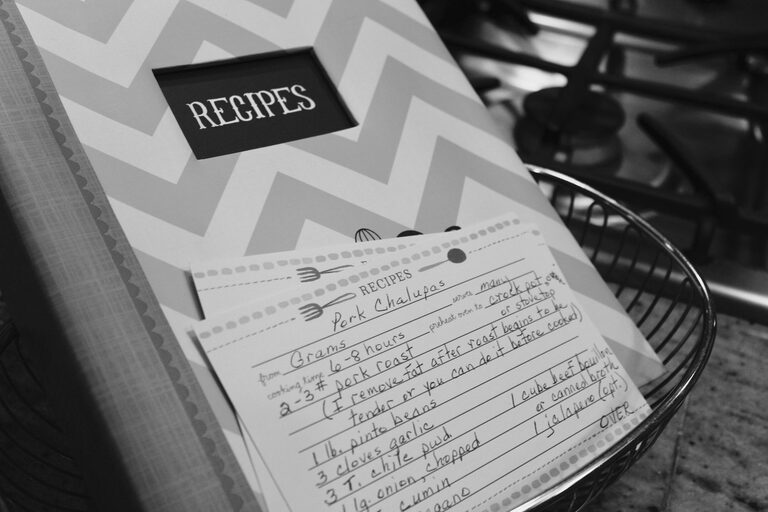
When collecting handwritten cards, scan or photograph both sides. Capture the entire card, including notes in the margins, stains, dates, and signs of use. These details can help show how the recipe was part of family life.
For digital recipes, save copies in a consistent format. A folder system can make the project easier to manage. For example:
– Family Recipes
– Appetizers
– Main Dishes
– Breads and Baking
– Desserts
– Drinks
– Photos
– Interviews
Use clear file names, such as `Grandma_Lenas_Apple_Cake.jpg` or `Uncle_James_Chili.docx`. Consistent naming saves time when the collection grows.
Capture the Story Behind Each Dish
The most memorable part of a family recipe is often the story behind it. Before or after recording the instructions, ask the recipe owner a few open-ended questions.
Helpful Interview Questions
– Who taught you how to make this recipe?
– When did you first prepare it?
– Who usually enjoyed it?
– Was it made for a particular holiday or event?
– How has the recipe changed over time?
– What is the most important step?
– What mistakes did you make when learning it?
– What memories come to mind when you think of this dish?
– Is there a story about where the ingredients came from?
– What would you like younger family members to know about it?
You can record an interview with permission, take written notes, or ask the person to write a short memory. Even a few sentences can add warmth and context.
For example, a recipe for fruit pie might include a note explaining that it was made every summer with fruit picked from a backyard tree. That detail gives future cooks a connection to a place, a season, and a family tradition.
Make Recipes Easy to Follow
Older recipes may use informal instructions such as “bake until done” or “add enough flour.” These phrases may be familiar to an experienced cook but confusing to someone learning the recipe for the first time.
Preserve the original wording, but add helpful explanations when possible. You might include:
– Approximate preparation and cooking times
– Pan or dish size
– Oven temperature
– Number of servings
– How to tell when the food is ready
– Whether ingredients should be softened, chilled, or prepared in advance
– Notes about common substitutions
If the recipe is unclear, test it with the original cook or another family member. Record what worked, what needed adjustment, and which details should remain flexible.
Avoid changing a recipe so much that its character is lost. The goal is to make it usable while keeping the voice and methods that make it special.
Add Photos and Visual Details
Photographs can make a recipe collection more personal and inviting. Include pictures of the finished dish, the person who prepares it, the original recipe card, or the kitchen where it is often made.
You can also photograph tools connected to the recipe, such as a well-used mixing bowl, a special serving dish, or a wooden spoon passed through the family. These objects may carry their own stories.
When adding photos, include short captions. Identify people, locations, and approximate dates when known. If a detail is uncertain, use wording such as “believed to be from the early 1980s” rather than presenting a guess as fact.
Choose a Format for Sharing
There are several ways to share a completed recipe collection. A digital archive is easy to update and distribute, while a printed book offers something tangible that family members can keep.
Possible formats include:
– A shared online folder
– A private family website
– A printed cookbook
– A photo book
– A binder with copied recipes and notes
– A series of recipe cards
– A digital slideshow for a family gathering
Many families choose more than one format. A printed book can be paired with digital backups, scanned documents, audio interviews, and additional photos.
Keep at least two copies of important files in separate locations. You might store one copy on an external drive and another in a secure online account. Review the files occasionally to make sure they remain readable and organized.
Invite the Next Generation to Participate
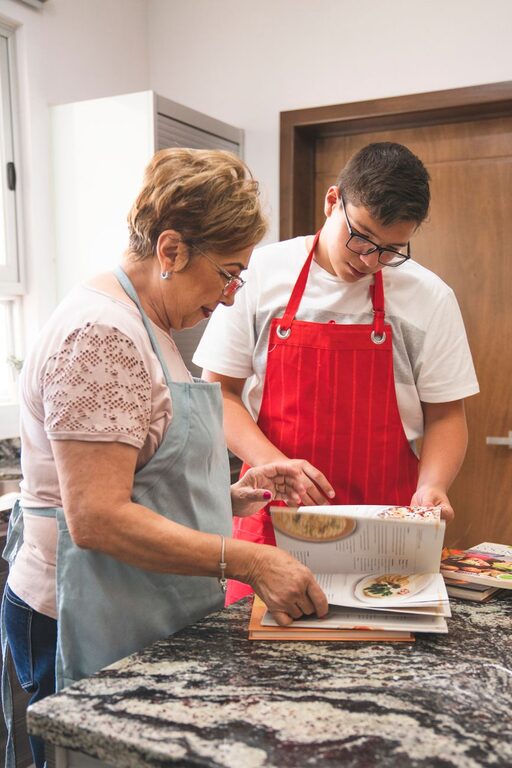
Children and younger relatives can play an active role in the project. They can interview family members, decorate pages, photograph dishes, type recipes, or help prepare food for testing.
Cooking together is also a natural way to pass along knowledge. Instead of only sharing the written instructions, demonstrate how the dough feels, how a sauce thickens, or how a cook recognizes the right level of browning. These observations may be difficult to capture on a recipe card but are easy to learn through practice.
Consider adding a section where younger family members can write their own notes. They might record their first attempt, favorite dish, or ideas for continuing a tradition.
Keep the Project Growing
A family recipe collection does not need to be finished all at once. Set a manageable goal, such as recording five recipes during the first month. Add new recipes during holidays, reunions, or regular family meals.
Review the collection once or twice a year. Ask relatives whether they have found additional recipes or remembered new details. You can also create an annual tradition of preparing one older recipe and documenting the experience.
Over time, the project will become a living record. Each new entry adds another voice, memory, and connection.
A Lasting Gift for Future Generations
Recording family recipes preserves more than cooking instructions. It saves the language, habits, places, and relationships that surround food. A simple dish can open the door to stories about childhood, celebrations, hard work, friendship, and home.
Whether the final collection is a carefully printed cookbook or a small folder of scanned cards, the effort has lasting value. By documenting recipes today, families give future generations a way to taste the past, understand their shared story, and continue making memories around the table.