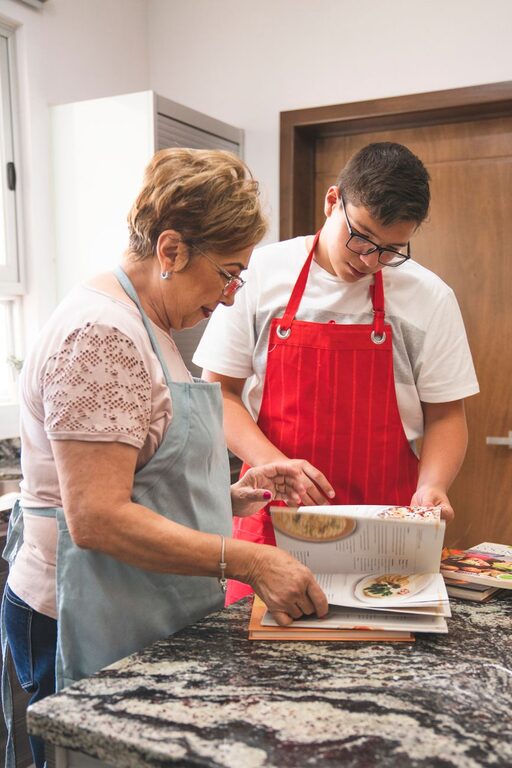
For many women over 65, family recipes are more than lists of ingredients and instructions. They can carry memories of holiday gatherings, busy weeknight meals, neighborhood traditions, and loved ones who enjoyed cooking together. A community cookbook club offers a welcoming way to keep those memories alive while making room for new ideas.
These clubs bring people together to share recipes, prepare dishes, and talk about the stories behind them. Some groups meet in libraries, community centers, churches, senior centers, or members’ homes. Others combine in-person gatherings with email exchanges or online meetings.
The format can be simple, flexible, and enjoyable. Members might choose a theme each month, bring a favorite dish, or work together on a shared collection of recipes. The focus is not on perfect cooking. It is on connection, creativity, and the pleasure of sharing something meaningful.
More Than a Collection of Recipes
A cookbook club may begin with a practical goal: creating a group cookbook. Over time, members often discover that the conversations around the recipes are just as valuable as the recipes themselves.
A handwritten card may reveal how a dish changed over several generations. A soup recipe may recall a neighbor who welcomed everyone into her kitchen. A dessert may be linked to a birthday, wedding, or annual family tradition.
Sharing these details gives recipes a personal history. It also helps younger family members and future generations understand where favorite foods came from.
Members can record stories alongside each recipe, including:
– Who first made the dish
– When it was usually served
– How the recipe changed over time
– Any special cooking tips
– The memories connected to the food
– Whether the recipe came from a family member, friend, or community
This approach turns a cookbook into a collection of personal stories rather than a basic list of meals.
Building a Welcoming Club
Starting a cookbook club does not require a large budget or professional cooking experience. A small group of friends can begin with a monthly meeting and a clear theme.
Possible themes include:
– Family breakfast recipes
– Holiday baking
– One pot meals
– Recipes from childhood
– Garden vegetables
– Favorite soups
– Regional dishes
– Easy meals for busy days
– Recipes shared by friends
– Comfort foods from different cultures
The club can meet in the same location each month or rotate between members’ homes. A library meeting room or community center may be useful for groups that need more space.
It helps to decide a few basic details at the start:
- How often will the group meet?
- How many people can comfortably participate?
- Will members bring prepared food, ingredients, or written recipes?
- Will everyone contribute to the final cookbook?
- How will recipes be collected and edited?
- Will the group charge a small fee for printing or supplies?
Keeping the structure simple makes it easier for more people to participate.
Sharing Skills Without Pressure
Every member brings different cooking experiences. Some may be comfortable adapting recipes, while others may prefer familiar instructions. A successful club makes room for both.
Members can share practical tips, such as how to organize ingredients, store leftovers, or adjust a recipe for a smaller group. They can also discuss substitutions based on personal preferences, available ingredients, or family traditions.
The goal should be learning from one another rather than judging cooking styles. A recipe does not need to be complicated to be valuable. A three-ingredient snack, a simple casserole, or a favorite salad dressing may be exactly what another member has been looking for.
Clubs can also include activities that do not involve cooking. For example, members might:
– Compare handwritten recipe cards
– Demonstrate a favorite kitchen tool
– Talk about family food traditions
– Create labels for a shared cookbook
– Decorate recipe pages
– Record short audio stories
– Invite a family member to share a recipe
– Visit a local farmers market for inspiration
These activities keep the club active and inclusive, even when preparing food is not practical.
Preserving Recipes for the Future
Many family recipes exist only in memory or on aging paper. A cookbook club can help preserve them in a more lasting format.
Members can type recipes into a shared document, scan handwritten cards, or create printed pages with photographs. It is useful to keep the original wording when it has special meaning, while adding clearer measurements or notes when needed.
A simple recipe format might include:
– Recipe name
– Contributor’s name
– Ingredients
– Directions
– Preparation notes
– Serving suggestions
– Family story or memory
– Date the recipe was shared
Photos can add warmth to the collection. A picture of the finished dish is helpful, but images of family gatherings, kitchens, or handwritten cards may be just as meaningful.
The finished cookbook can be printed for members, given to relatives, or donated to a local organization. Some groups create one edition each year, while others add new pages over time.
Making Room for New Ideas
A cookbook club is not only about looking back. It can also encourage members to try new flavors, techniques, and traditions.
Participants may bring recipes they discovered while traveling, learned from a friend, or found in a recently published cookbook. A younger guest could introduce a modern variation on a familiar meal. Members might also explore recipes from different communities and discuss the ingredients and customs connected to them.
This exchange keeps the group fresh. A traditional family dish may inspire a new version, while a new recipe may become part of the family collection.
Trying something unfamiliar can be more enjoyable when it happens in a supportive group. Members can compare results, share suggestions, and laugh about the occasional kitchen mistake.
Strengthening Community Connections
Regular gatherings create opportunities for conversation and friendship. A cookbook club gives people a reason to meet, but the relationships often extend beyond the kitchen.
Members may learn about one another’s family histories, interests, and experiences. Someone who recently moved to the area may find a friendly introduction to the community. A longtime resident may discover new connections with neighbors.
Clubs can also partner with local organizations. A library might help with research and printing. A community center could provide meeting space. A local food business may offer a demonstration or donate supplies for a special event.
These partnerships can make the club more visible and help attract participants of different ages.
A Simple Way to Get Started
Anyone interested in forming a cookbook club can begin with a short invitation to friends, neighbors, or members of a local group. The first meeting might focus on planning rather than cooking.
Ask each person to bring one recipe and explain why it matters to them. From there, the group can choose a theme, set a meeting schedule, and decide how to collect contributions.
The most important ingredient is a spirit of welcome. When people have time to share their recipes and the stories behind them, an ordinary meal can become part of a larger community tradition. For women 65 and older, cookbook clubs offer a fresh way to celebrate experience, encourage creativity, and pass meaningful family memories from one generation to the next.