Culinary craft fairs are a wonderful way to find kitchen supplies that feel more personal than mass-produced products. Instead of browsing identical items on store shelves, you can meet the makers, learn how products are made, and discover tools designed with care.
From hand-thrown pottery and carved cutting boards to small-batch spices and clever cooking tools, these fairs bring together practical items and creative design. They are also a helpful way to support independent artists, craftspeople, and small food businesses.
What Makes Culinary Craft Fairs Special?
A culinary craft fair combines the usefulness of a kitchen market with the creativity of an art show. Vendors often sell items that are made in small quantities, so the selection may change from one event to the next.
Many products are designed for everyday use, but they also add color, texture, and personality to a kitchen. A simple ceramic mug, for example, may become a favorite because of its comfortable shape and handmade finish.
These fairs are especially useful for shoppers who want:
– One-of-a-kind kitchen accessories
– Handmade gifts for cooks and food lovers
– Durable alternatives to disposable products
– Local and regional food items
– A chance to speak directly with makers
– Inspiration for decorating or organizing a kitchen
The Best Types of Culinary Craft Fairs
Not every event has the same focus. Some are large seasonal markets, while others are small neighborhood gatherings. Understanding the different types can help you choose the right fair for your needs.
Handmade Home and Kitchen Markets
These events usually focus on functional goods for the home. You may find cutting boards, serving trays, bowls, aprons, napkin holders, utensil crocks, and storage containers.
Handmade home markets are a good choice when you are looking for long-lasting kitchen basics. Many vendors specialize in a particular material, such as wood, clay, glass, or metal.
Farmers Markets With Craft Vendors
Farmers markets often include more than fresh produce. Many feature local makers who sell kitchen tools, baked goods, preserves, spice blends, candles, and textiles.
These markets are convenient because you can shop for ingredients and supplies in one visit. They are also a good way to find products that reflect the flavors and traditions of the surrounding area.
Holiday Craft Shows
Holiday craft shows are popular destinations for kitchen gifts. Vendors often prepare seasonal collections, including decorated serving dishes, tea towels, cookie cutters, ornaments, and gift baskets.
If you plan to shop at a holiday event, arrive with a list of people you are buying for. Handmade fairs can offer many tempting choices, and a simple plan makes it easier to stay focused.
Food and Cooking Festivals
Food festivals may include demonstrations, tastings, and booths for specialty kitchen goods. Look for events centered on baking, grilling, regional cuisine, coffee, cheese, or international foods.
These festivals are useful for discovering tools connected to a specific cooking style. A baking event might feature rolling pins, pastry tools, proofing baskets, and decorative cake supplies, while a coffee festival may include handmade mugs, pour-over stands, and storage jars.
Art and Design Fairs
Art fairs are not always focused on cooking, but they often include talented makers of ceramics, woodwork, textiles, and glassware. These events are a strong option for shoppers who want distinctive pieces with a more artistic look.
You may find sculptural serving bowls, colorful plates, handblown glasses, or custom table linens. Some items may be intended mainly for display, so ask the vendor whether a piece is suitable for regular food use.
Kitchen Supplies Worth Looking For
Culinary craft fairs can offer a wide variety of goods. The best purchases are items that fit your cooking habits, storage space, and daily routine.
Handmade Ceramics
Ceramic bowls, plates, mugs, and baking dishes are among the most common craft fair finds. Look for pieces with smooth edges, stable bases, and glazes that are appropriate for food use.
Ask whether the item is dishwasher- and microwave-safe. Handmade ceramics can vary in care requirements, so clear instructions are important.
Wooden Tools and Boards
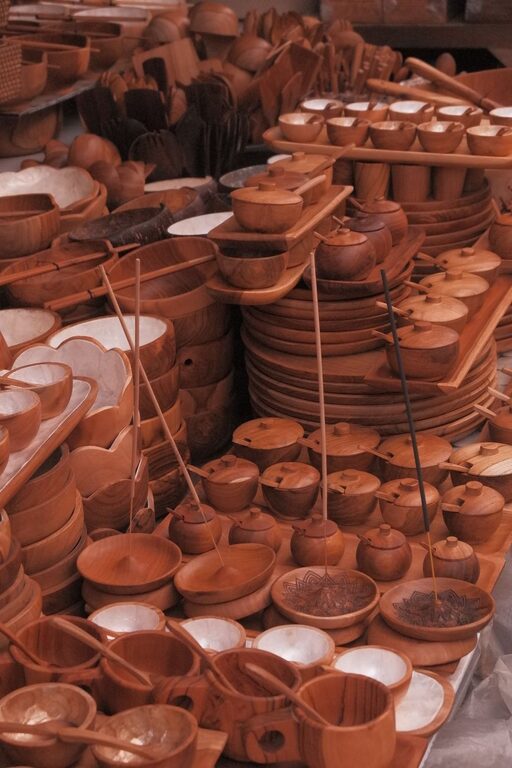
Woodworkers often sell cutting boards, spoons, spatulas, rolling pins, and serving boards. Check that cutting surfaces are smooth and free of rough cracks.
Different types of wood have different colors and textures. If you buy a wooden item, ask how to clean and maintain it. Many boards and utensils need occasional conditioning with food-safe oil.
Reusable Textiles
Aprons, pot holders, kitchen towels, bread bags, and cloth napkins can add practical style to a kitchen. Handmade textiles may also be made from reclaimed or naturally dyed fabric.
When choosing these products, consider how often they will be washed. Durable stitching and washable materials are useful features for everyday items.
Specialty Cooking Tools
Small makers may create tools for particular tasks, such as herb strippers, spice scoops, pasta cutters, fermentation weights, or pastry stamps. These items can be especially appealing when they solve a problem that standard tools do not address.
Before buying, handle the tool if possible. A comfortable grip and simple design often matter more than decorative details.
Pantry Goods and Seasonings
Many culinary fairs include salts, spice blends, sauces, jams, teas, coffee, and baked goods. These products can make easy gifts and may introduce you to ingredients that are not available in regular grocery stores.
Read labels carefully for ingredients, storage instructions, and best-by dates. If you are buying a gift, consider pairing a pantry item with a handmade bowl, spoon, or serving dish.
How to Shop Smart at a Craft Fair
A little preparation can make a busy event more enjoyable. Before you go, check the fair’s website or social media page for a vendor list, location details, parking information, and payment options.
Keep these tips in mind:
– Bring a reusable shopping bag with firm handles.
– Carry a small notebook or use your phone to record vendor names.
– Set a general spending limit before you arrive.
– Measure available space if you are shopping for shelves or counters.
– Ask about care instructions before purchasing.
– Check items for chips, cracks, loose parts, or rough edges.
– Confirm whether a product is intended for food contact.
– Bring a card and some cash, since payment options vary.
If you see something you love, take a moment to compare it with similar items. Some fairs have limited stock, but a careful inspection is still worthwhile.
Questions to Ask the Maker
One of the best parts of a culinary craft fair is the opportunity to speak with the person who made the product. A short conversation can help you understand how an item should be used and cared for.
Useful questions include:
– What materials were used?
– Is this item safe for food contact?
– Can it go in the dishwasher or oven?
– How should it be cleaned?
– Was the item made locally?
– Do you offer repairs or replacement parts?
– Do you have an online shop or future event schedule?
Makers are often happy to explain their process. Their answers can also help you recognize the difference between a decorative item and a tool designed for regular kitchen use.
Finding Local and Regional Events
To find culinary craft fairs near you, search community event calendars, farmers market websites, art center listings, and local tourism pages. Libraries, neighborhood organizations, and independent kitchen stores may also share event information.
You can search for terms such as “handmade kitchen market,” “food artisan fair,” “ceramics market,” or “local craft show.” Following favorite vendors online is another useful option, since many makers announce upcoming events through their newsletters or social media accounts.
Enjoy the Experience
The best culinary craft fairs are about more than shopping. They offer a chance to meet creative people, learn about traditional skills, and find useful objects with a story behind them.
Whether you are searching for a durable cutting board, a beautiful serving bowl, or a new spice blend, take your time and enjoy exploring. With a little planning, a culinary craft fair can help you build a kitchen filled with practical supplies, thoughtful design, and personal character.