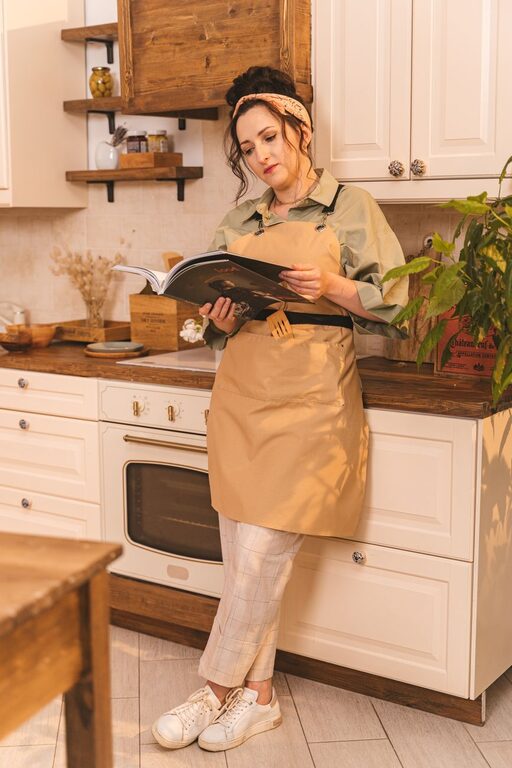

A Hands On Hobby With Lasting Appeal
Handmade pasta workshops are becoming increasingly popular among mature beginners. These classes combine practical learning, social connection, and the pleasure of making something from scratch. For people looking for a new hobby, a creative activity, or a more relaxed way to spend an afternoon, pasta making offers an inviting introduction to cooking.
Unlike some culinary classes that require advanced skills, handmade pasta workshops usually begin with simple ingredients and clear instructions. Flour, eggs, water, and a little patience are often all that is needed to create a delicious meal. This simplicity makes pasta making accessible to beginners of many ages and experience levels.
Why Mature Beginners Are Joining
Many adults are choosing hobbies that encourage creativity without creating pressure to perform. Handmade pasta fits this goal particularly well. The process is hands on, but it is also forgiving. Small variations in dough texture or shape are part of the learning experience rather than signs of failure.
Several features make these workshops especially appealing:
– A manageable learning curve: Basic pasta dough can be made with a few ingredients and techniques.
– A creative outlet: Participants can experiment with shapes, fillings, colors, and sauces.
– A social setting: Classes provide an opportunity to meet people with similar interests.
– A useful skill: The techniques can be repeated at home for family meals or gatherings.
– A satisfying result: Participants usually enjoy the food they have prepared by the end of the session.
For many mature beginners, the appeal is not simply learning a recipe. It is the combination of focus, conversation, movement, and achievement that makes the experience rewarding.
What Happens in a Typical Workshop?
The exact format varies, but most handmade pasta workshops follow a familiar structure. The instructor usually begins by introducing the ingredients and explaining how each one affects the dough. Participants then measure, mix, and knead their own dough or work in small groups.
After the dough has rested, the class may explore several preparation methods. These can include rolling the dough with a pasta machine, cutting it by hand, or shaping it into forms such as tagliatelle, ravioli, or orecchiette.
A typical workshop may include:
- An introduction to ingredients and equipment
- A demonstration of mixing and kneading
- Guided practice with individual dough portions
- Instructions for rolling and shaping
- Tips for preparing a simple sauce
- Time to cook, taste, and discuss the finished dish
Instructors often adapt the pace to suit the group. This is helpful for beginners who want enough time to understand each step rather than rushing through a long list of recipes.
The Benefits of Learning in Person
Online videos and cookbooks can be useful, but an in-person workshop offers immediate feedback. An instructor can show participants how soft the dough should feel, how firmly to knead it, and how thinly to roll it. These details are difficult to judge from written instructions alone.
The group environment also makes it easier to ask questions. Participants can compare techniques, observe different approaches, and learn from common mistakes. If the dough feels too dry or sticky, the instructor can often explain how to adjust it right away.
This type of learning can build confidence. Once beginners understand the basic dough, they often realize that handmade pasta is less complicated than it first appears. The skills can then be adapted to different recipes and cooking styles.
A Social Experience Beyond the Kitchen
One reason workshops continue to attract mature beginners is their social atmosphere. Many classes are designed as shared experiences rather than formal lessons. Participants work at nearby stations, exchange tips, and often continue conversations while the pasta cooks.
This makes a workshop a good choice for people attending alone as well as those joining with a friend or partner. The activity provides natural conversation topics, so social interaction does not feel forced.
Some workshops also include a shared meal at the end. Sitting down together to enjoy the finished pasta gives the class a clear and satisfying conclusion. It turns a cooking lesson into a memorable outing.
Choosing the Right Workshop
Not every workshop has the same format, so it is worth reviewing the details before booking. Beginners may prefer a class that focuses on foundational skills rather than advanced recipes.
Look for information about:
Class Size
Smaller groups often allow more individual guidance. Larger classes can be lively and social, but they may provide less time for one-on-one assistance.
Skill Level
Choose a workshop clearly labeled for beginners if you have little or no pasta-making experience. Advanced classes may move quickly or assume familiarity with specialized equipment.
Duration
A short class may cover one pasta shape, while a longer session may include filled pasta, sauces, and a full meal. Consider how much time you would like to spend standing, mixing, and shaping dough.
Equipment
Ask whether the workshop uses pasta machines, hand tools, or both. Learning more than one method can make it easier to continue practicing at home.
Accessibility and Comfort
A well-organized class should provide enough workspace, seating options, and breaks when needed. Clear information about the room setup can help participants choose a comfortable experience.
How to Prepare as a Beginner
A little preparation can make the workshop more enjoyable. Wear comfortable clothing and shoes, since much of the session may involve standing and moving around a work surface. Avoid loose sleeves or jewelry that could interfere with kneading and shaping.
It is also helpful to arrive with an open mind. Handmade pasta can look uneven at first, and that is perfectly normal. The goal is to understand the process, not to produce restaurant-perfect results immediately.
You may want to bring:
– A notebook or phone for recording tips
– A container if the workshop allows you to take pasta home
– Questions about ingredients and equipment
– A willingness to try more than one shaping method
Continuing the Skill at Home
After a workshop, beginners can continue with small, manageable projects. Start by repeating the same dough recipe and pasta shape used in class. Once that feels comfortable, try a different cutter, filling, or sauce.
A simple home routine might include:
– Making a small batch for two people
– Allowing extra time for kneading and resting
– Using a kitchen scale for consistent measurements
– Drying or freezing extra pasta correctly
– Keeping notes about dough texture and cooking time
The process becomes easier with practice. Over time, home cooks often develop preferences for particular flours, shapes, and sauces.
A Creative and Practical Way to Learn
The growing popularity of handmade pasta workshops reflects a broader interest in meaningful, hands-on hobbies. For mature beginners, these classes offer more than cooking instruction. They provide a chance to slow down, learn a useful skill, meet new people, and enjoy the results of personal effort.
Whether you attend with a friend or sign up on your own, a pasta workshop can be an approachable first step into fresh food preparation. With simple ingredients, patient guidance, and regular practice, handmade pasta can become a rewarding part of home cooking.