
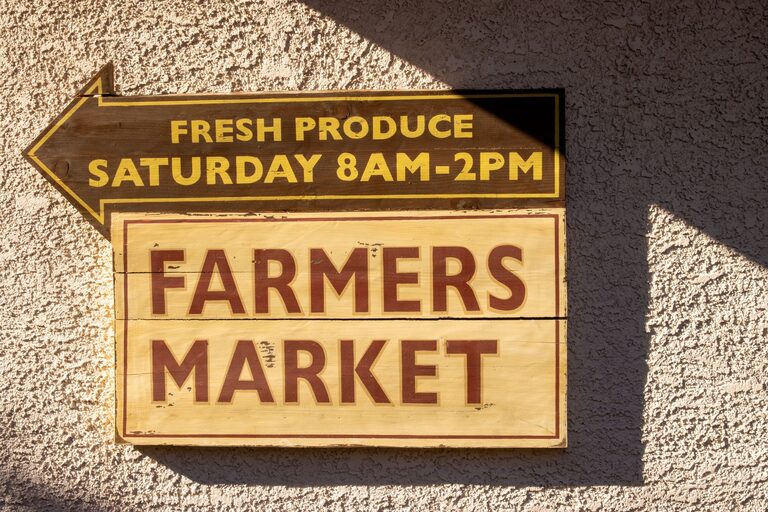
A trip to the farmers market can inspire more than a single salad or side dish. With a little planning, your market finds can become a full weekend of creative cooking projects. Fresh vegetables, ripe fruit, herbs, grains, eggs, and local cheeses offer plenty of ways to slow down in the kitchen and make something special.
The best projects are flexible. You do not need an exact shopping list or advanced cooking skills. Start with what looks freshest, then choose a project that fits your time, tools, and appetite. Here are several approachable ideas for turning a market haul into memorable homemade food.
Start With a Farmers Market Plan
Before shopping, take a quick look at what you already have at home. Basic ingredients such as flour, sugar, vinegar, olive oil, rice, pasta, and spices can help you make the most of fresh produce.
At the market, look for ingredients that work well together. A few useful combinations include:
– Tomatoes, basil, garlic, and onions
– Apples, pears, cinnamon, and oats
– Peppers, corn, scallions, and fresh herbs
– Summer squash, eggs, cheese, and breadcrumbs
– Berries, mint, yogurt, and honey
Choose one main project and one smaller project. For example, you might make a batch of tomato sauce while also preparing herb butter. This approach keeps the weekend enjoyable without making the kitchen feel like a full-time job.
Make a Batch of Seasonal Pickles
Pickling is one of the easiest ways to preserve a farmers market haul. Crisp cucumbers are a classic choice, but you can also pickle carrots, radishes, green beans, onions, beets, or sliced peppers.
Quick Pickle Method
For a simple refrigerator pickle, combine equal parts water and vinegar in a saucepan. Add salt and a small amount of sugar, then warm the mixture until the salt dissolves. Place sliced vegetables in a clean jar with garlic, dill, peppercorns, mustard seeds, or other seasonings. Pour the warm brine over the vegetables and let the jar cool before refrigerating.
Quick pickles are usually ready after a few hours, although the flavor often improves overnight. Serve them with sandwiches, grain bowls, grilled foods, or a simple plate of cheese and crackers.
Use clean jars and keep refrigerator pickles chilled. Since they are not processed for long-term shelf storage, they should be treated as a refrigerated food.
Turn Ripe Produce Into a Sauce
When tomatoes, peppers, or fruit are especially abundant, make a sauce that can be enjoyed throughout the week. A sauce project is also a useful way to use produce that is slightly soft but still fresh and pleasant-smelling.
Rustic Tomato Sauce
Roast tomatoes, onions, garlic, and peppers on a baking sheet with olive oil and salt. Once tender, blend or crush the vegetables into a chunky sauce. Add fresh basil, parsley, or oregano at the end.
Use the sauce with:
– Pasta or gnocchi
– Eggs baked in a skillet
– Toasted bread
– Roasted vegetables
– Rice or grains
– Homemade pizza
For a fruit-based option, simmer peaches, plums, or berries with a splash of water and a little sugar. The result can become a topping for yogurt, pancakes, oatmeal, or ice cream.
Bake a Market-Inspired Tart
A savory tart is a creative way to combine several market finds in one dish. Store-bought puff pastry makes the project simple, while homemade dough gives you a chance to practice baking skills.
Spread ricotta, soft cheese, or seasoned cream cheese over the pastry. Add thinly sliced tomatoes, zucchini, onions, or roasted peppers. Sprinkle with herbs and bake until the crust is golden and the vegetables are tender.
For a fruit tart, arrange sliced apples, pears, peaches, or plums over a pastry base. Add cinnamon, ginger, or lemon zest, then finish with a light brush of jam after baking.
Serve a savory tart for lunch or dinner, and pair a fruit tart with coffee or tea. Both versions also make attractive additions to a weekend table.
Create a Homemade Herb Project
Fresh herbs can be difficult to use before they wilt, so turn them into something that lasts longer. Herb butter, herb oil, and frozen herb cubes are simple weekend projects.
Herb Butter
Finely chop parsley, chives, basil, dill, or rosemary and mix them with softened butter. Add lemon zest, garlic, or a pinch of salt. Shape the mixture into a log, wrap it, and refrigerate or freeze it.
Use herb butter on:
– Corn on the cob
– Toasted bread
– Roasted potatoes
– Steamed vegetables
– Grilled fish or chicken
– Warm grains
You can also chop herbs and freeze them in small portions with water or olive oil. Once frozen, transfer the cubes to a labeled container and add them to soups, sauces, or skillet dishes.
Make Fresh Pasta With Market Eggs
If you find fresh eggs at the market, consider making pasta. The process is hands-on and satisfying, especially when shared with family or friends.
A basic pasta dough usually combines flour and eggs with a little salt. Knead the dough until smooth, let it rest, then roll it thin and cut it into noodles. A pasta machine is helpful but not required; a rolling pin and sharp knife can work well.
Serve the pasta with a simple sauce made from market ingredients. Browned butter with sage, roasted tomatoes with garlic, or sautéed greens with lemon are all easy choices.
Keep the first batch simple. The goal is to enjoy the process rather than make perfectly shaped noodles.
Build a Fermented or Cultured Food Project
Some market ingredients can become cultured foods with a little patience. Yogurt, sourdough bread, and naturally fermented vegetables are popular examples, but they require careful attention to cleanliness, timing, and storage.
For a beginner-friendly option, make yogurt with milk and a small amount of plain yogurt containing live cultures. You can also begin a sourdough starter if you enjoy a project that continues over several days.
Another approachable idea is cultured butter. Whip heavy cream until it separates into butter and liquid, then rinse and knead the butter until the liquid is mostly removed. Mix in market herbs or a pinch of salt.
These projects are best when you can give them time and follow a reliable recipe from a trusted source.
Prepare a Colorful Grain Bowl Bar
Use the weekend to prepare several components for easy meals during the week. Cook a grain such as farro, brown rice, quinoa, or barley. Roast a tray of market vegetables, wash fresh greens, and prepare a simple dressing.
Set out toppings such as:
– Pickled onions
– Toasted seeds or nuts
– Crumbled cheese
– Fresh herbs
– Sliced fruit
– Beans or roasted chickpeas
– Lemon wedges
Store each component separately so you can build different combinations. A grain bowl bar turns meal preparation into a creative activity and helps prevent leftover produce from being forgotten in the refrigerator.
Finish With a Market Tasting Board
End the weekend with a tasting board that highlights the ingredients you used. Add sliced fruit, vegetables, local cheese, bread, pickles, dips, nuts, and small portions of your homemade sauces.
Arrange foods by color and texture rather than trying to make everything perfectly uniform. Include a few small bowls for spreads and garnishes. A tasting board is a relaxed way to sample your projects and notice which combinations you would like to make again.
The next time you visit the farmers market, think beyond a single recipe. Choose ingredients that invite you to chop, bake, preserve, mix, and experiment. With a few thoughtful projects, a fresh market haul can become an entire weekend of good food and useful kitchen practice.