
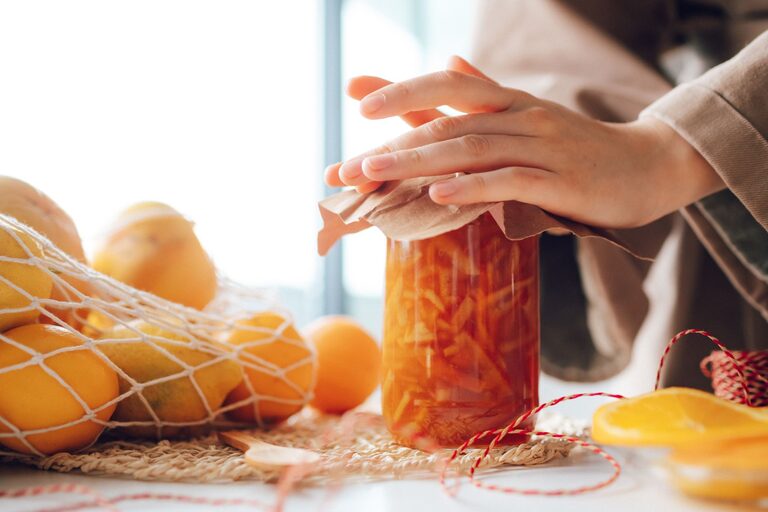
Jam-making is often seen as a quiet kitchen project, but it can be even more enjoyable as a group activity. When friends, family members, or neighbors gather to preserve seasonal fruit, the work becomes a social hobby filled with conversation, shared learning, and useful results.
A jam-making gathering can be as simple as an afternoon with a few jars and a bowl of berries, or as organized as a yearly tradition built around the local harvest. Everyone can take part, whether they are experienced with canning or learning the basics for the first time.
Why Group Jam-Making Is So Enjoyable
Making jam includes several small tasks: washing fruit, preparing ingredients, stirring a pot, filling jars, and cleaning up. These jobs are easier to manage when they are shared.
A group also adds energy to an activity that might otherwise feel repetitive. While the fruit cooks, guests can talk, exchange recipes, and compare ideas for using the finished jam. The gathering becomes more than food preparation. It becomes a seasonal event.
Other benefits include:
– Sharing the cost of fruit, jars, and supplies
– Learning preservation techniques from experienced cooks
– Reducing food waste by using extra or imperfect fruit
– Creating homemade gifts for holidays and special occasions
– Building a recurring tradition around the local growing season
Jam-making also gives people a clear project to complete together. At the end of the day, each guest can leave with jars, new skills, and memories connected to the season.
Choose the Right Time and Fruit
The best jam-making gatherings are planned around the natural availability of fruit. Strawberries may be ready in early summer, while peaches, plums, apples, and grapes arrive later. Local farmers markets, community gardens, and pick-your-own farms can help you identify what is in season.
Before choosing a date, consider:
– Which fruit is plentiful and affordable
– How much time the fruit needs for preparation
– Whether the kitchen has enough cooking space
– How many jars and supplies are available
– How guests will transport their finished jam
It is usually better to start with one fruit rather than several. A single recipe keeps the process easier to follow and makes it simpler to organize ingredients. Once the group becomes comfortable, you can plan a tasting event with several varieties.
Look for fruit that is ripe and flavorful but not badly bruised or spoiled. Slightly imperfect fruit is often ideal for jam, but damaged areas should be removed during preparation.
Plan the Gathering Before Guests Arrive
A little preparation makes the day smoother. Decide whether one person will host the entire event or whether each guest will bring something. A shared plan can prevent shortages and keep the work balanced.
Create a simple supply list that includes:
– Fresh fruit
– Sugar or another recipe-approved sweetener
– Pectin, if the recipe calls for it
– Lemon juice or other listed ingredients
– Clean jars and new lids
– Large cooking pots
– Measuring cups and spoons
– Funnels and jar lifters
– Labels and markers
– Towels, cutting boards, and washing supplies
Use a tested jam recipe from a reliable food preservation source. Recipes are designed with specific proportions of fruit, sugar, acid, and pectin, so changing several ingredients at once can affect how the jam sets and stores.
If guests are bringing equipment, assign items in advance. One person might bring jars, another might bring fruit, and someone else might provide labels and packaging materials.
Divide the Work Into Stations
A few simple stations can help everyone stay involved without crowding the kitchen.
Preparation Station
This is where the fruit is washed, trimmed, peeled, pitted, or crushed. Provide cutting boards, knives, bowls, and towels. Assign at least one person to keep the area clean as the work continues.
Cooking Station
The cooking station should have enough space around the pot for safe stirring. The person managing the heat can monitor the recipe while another guest measures ingredients or prepares the next batch.
Jar Station
At this station, guests can prepare jars according to the chosen preservation method, fill them with hot jam, wipe the rims, and apply the lids. A funnel can make filling easier and reduce spills.
Labeling Station
Labels can include the type of fruit, the date, and any useful notes, such as “spiced peach” or “small batch.” Decorative labels make the jars feel special, especially when they will be given as gifts.
Rotating guests through different stations helps everyone learn. Beginners can work alongside experienced cooks, while more confident participants can explain each step.
Keep Food Safety Part of the Routine
Safe handling is an important part of any preservation project. Start with clean work surfaces, washed hands, and fresh equipment. Inspect jars for cracks or chips, and use lids according to the manufacturer’s instructions.
Follow the processing directions provided with the recipe. If the jam is intended for shelf storage, use the recommended water bath processing method and timing. Do not guess at processing times or rely on appearance alone.
It is also helpful to:
– Keep pets and unrelated items away from the work area
– Use heat-resistant tools when handling hot jars
– Wipe jar rims before applying lids
– Leave the recommended headspace in each jar
– Check seals after jars have cooled
– Refrigerate jars that do not seal properly
For a casual gathering, you can make refrigerator or freezer jam instead. These options may require less equipment, but they still need proper storage and clear labeling.
Make the Event More Social
The cooking is the main activity, but small extras can make the gathering feel more festive. Invite guests to bring a snack, beverage, or family recipe connected to the fruit being used.
You might also include:
– A tasting table with bread, crackers, or plain biscuits
– A recipe card exchange
– A display of different fruit varieties
– Music that suits the relaxed pace of the afternoon
– A short photo session of the finished jars
– Gift wrapping with ribbon, fabric, or simple paper tags
A tasting table is especially useful when making more than one batch. Guests can compare flavors and textures without opening every jar intended for storage.
Turn Jam-Making Into a Seasonal Tradition
One gathering can easily become an annual event. Keep notes about the fruit used, the number of batches made, and what guests enjoyed most. The following year, you can adjust the schedule, supplies, or recipes based on that experience.
Some groups choose a different fruit each season. Others make a small collection throughout the year, such as strawberry jam in early summer, peach jam later on, and apple butter in the fall.
You can also connect the gathering to a community project. Guests might prepare jars for a school fundraiser, a neighborhood exchange, or a shared holiday gift basket. The goal does not have to be large. Even a few jars made together can create a meaningful tradition.
Enjoy the Results
After the jars have cooled, encourage guests to store them carefully and label them clearly. Homemade jam can be enjoyed on toast, stirred into yogurt, spooned over pancakes, or used between layers of a simple cake.
The most rewarding part, however, may be remembering how the jam was made. Seasonal jam-making gatherings bring together fresh ingredients, practical skills, and time with other people. By turning preservation into a shared hobby, a basic kitchen task becomes a celebration of the season and the community around it.