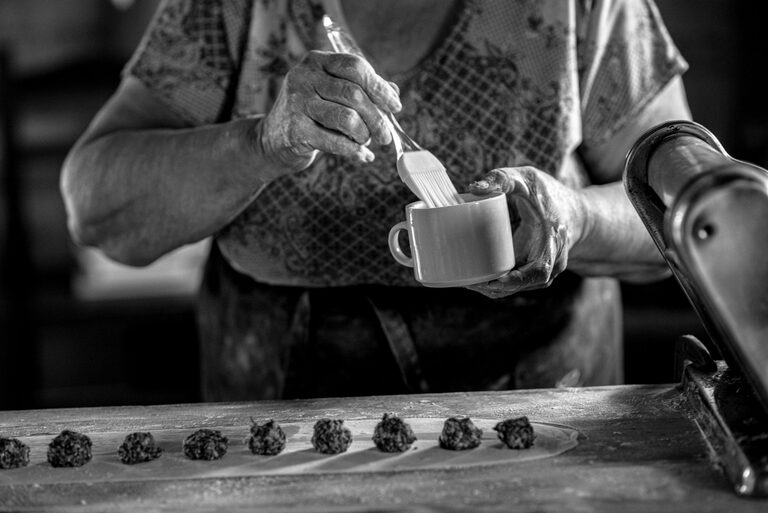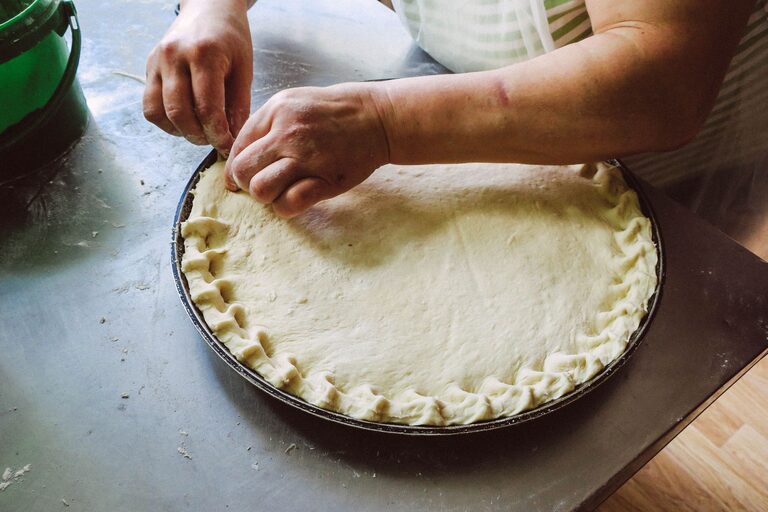
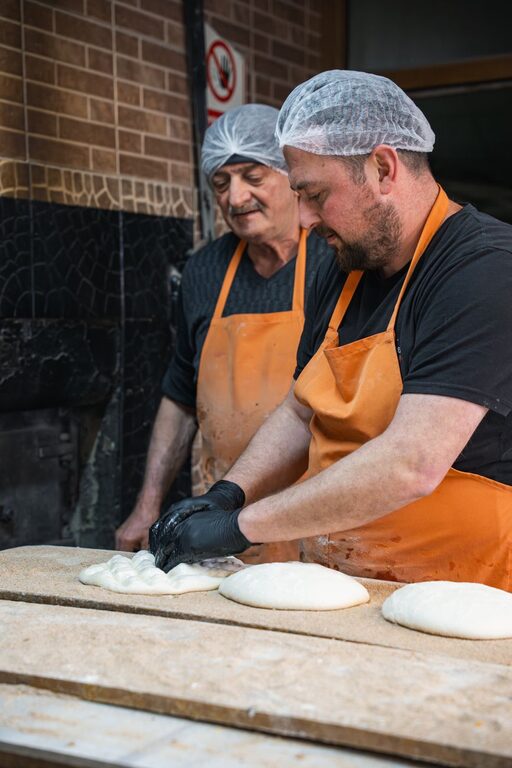
Retirement often creates room for activities that once felt difficult to fit into a busy schedule. For many home bakers, that extra time has led to a renewed interest in learning, experimenting, and connecting with others through food. One growing option is the small batch artisan bread class.
These classes offer a relaxed way to explore bread making without the pressure of producing large quantities. Participants can work with carefully measured ingredients, learn traditional techniques, and take home a fresh loaf or two. More importantly, they create an inviting space for retired bakers to share experience, discover new methods, and enjoy the simple rhythm of mixing, shaping, and baking.
What Makes Small Batch Classes Different?
Small batch bread classes focus on making a limited amount of dough, often enough for one or two loaves. This approach gives each participant more attention and makes the class easier to manage.
In a large commercial-style workshop, students may prepare several loaves at once or work in teams. A small batch setting is usually more personal. Instructors can observe each baker’s technique, answer questions, and offer suggestions based on individual needs.
Small groups may also provide:
– More hands-on practice
– Less food waste
– Easier access to shared equipment
– More time for questions
– A quieter and more comfortable learning environment
The goal is not speed or volume. Instead, the focus is on understanding the process and enjoying the craft.
A Natural Fit for Retired Home Bakers
Many retired home bakers already have years of kitchen experience. They may be familiar with family recipes, traditional baking methods, or the basics of working with yeast. Artisan bread classes build on that foundation while introducing new ideas.
For example, a class may explore how different flours affect texture, how hydration changes the dough, or how fermentation influences flavor. These lessons can add variety to a baker’s routine without requiring advanced training.
Retired participants may also appreciate the flexible pace. Classes often allow time for demonstrations, practice, and conversation. There is less emphasis on rushing through a recipe, which makes the experience more enjoyable for those who want to learn carefully.
The format can also suit people who have recently returned to baking after a break. A guided class provides structure and encouragement while helping participants become comfortable with current tools and techniques.
The Appeal of Traditional Techniques
Artisan bread often combines simple ingredients with careful preparation. Flour, water, salt, and yeast can produce a wide range of results when handled in different ways.
Classes may introduce traditional techniques such as:
Hand Mixing
Hand mixing helps bakers understand how dough changes as the ingredients come together. It also makes it easier to notice texture, moisture, and elasticity.
Folding
Folding strengthens the dough without requiring intensive kneading. It is a useful technique for bakers who want to handle dough gently while developing structure.
Shaping
Shaping affects how a loaf rises and bakes. Students can practice forming round loaves, oval loaves, rolls, or simple braided designs.
Natural Fermentation
Some classes discuss longer fermentation methods and naturally occurring cultures. These lessons usually focus on timing, temperature, and observation rather than complicated equipment.
Scoring
Scoring creates controlled openings in the surface of the dough. It can also add a decorative touch, making each loaf feel personal.
These techniques allow participants to move beyond following a recipe word for word. They begin to recognize how dough looks and feels at each stage.
More Than a Baking Lesson
A small batch bread class is also a social activity. Retired home bakers may attend alone, with a friend, or as part of a local club. Working side by side creates natural opportunities for conversation.
Participants often exchange:
– Family baking stories
– Favorite recipes
– Tips for storing bread
– Ideas for using leftover loaves
– Recommendations for kitchen tools
– Memories connected to food and celebrations
This informal exchange is one reason classes can feel especially welcoming. Everyone brings a different background to the kitchen, and each person may have something useful to share.
For people who enjoy community activities, bread classes can offer a regular event to look forward to. Some bakeries, community centers, and independent instructors organize monthly sessions, seasonal workshops, or themed classes focused on specific styles of bread.
Common Class Formats
Small batch artisan bread classes can take several forms. Choosing the right format depends on a baker’s interests, experience, and schedule.
Introductory Workshops
These sessions cover the basics, including ingredients, mixing, fermentation, shaping, and baking. They are suitable for beginners or anyone who wants a refresher.
Skill-Focused Classes
A class may concentrate on one technique, such as sourdough preparation, enriched dough, flatbreads, or decorative scoring. These workshops are helpful for bakers who already understand the fundamentals.
Seasonal Classes
Seasonal sessions may feature holiday rolls, rustic loaves, sandwich bread, or breads made with herbs and other flavorful ingredients.
Demonstration and Hands-On Classes
Some programs begin with an instructor demonstration and then give students their own dough to prepare. This combination makes it easier to understand the steps before trying them independently.
Community Baking Sessions
These gatherings may include several short activities, shared tasting, and informal discussion. They often appeal to participants who value both baking and social connection.
What to Look For in a Class
Before signing up, retired home bakers may want to consider a few practical details. A well-organized class should clearly explain what is included and what participants should bring.
Helpful questions include:
– How many people will be in the class?
– Is the session fully hands-on?
– Are ingredients and equipment provided?
– How much bread will each person take home?
– Will printed recipes or notes be included?
– Is the location easy to access?
– Are seating and work surfaces available?
– Does the instructor explain storage and reheating?
– Is the class suitable for beginners?
It is also useful to check the class length. Bread making involves waiting periods, so some workshops may last several hours or include prepared dough for later stages. Understanding the schedule in advance helps participants choose a comfortable experience.
Bringing the Experience Home
The best classes provide skills that can be used in a home kitchen. Afterward, participants can repeat the recipes, adjust the batch size, and gradually develop their own preferences.
Keeping a simple baking notebook can be helpful. Bakers might record:
– The flour used
– The amount of water
– Room temperature
– Fermentation time
– Dough texture
– Baking temperature
– Final results
These notes make it easier to understand what worked and what might be changed next time. Small adjustments can lead to noticeable differences in crust, crumb, flavor, and shape.
Many retired home bakers also enjoy sharing their class results with neighbors, family members, or friends. A freshly baked loaf can turn a personal hobby into a way to stay connected.
A Welcoming Future for Bread Learning
The rise of small batch artisan bread classes reflects a broader interest in meaningful, hands-on hobbies. For retired home bakers, these workshops combine learning, creativity, and community in one accessible activity.
They offer a chance to slow down, work with familiar ingredients, and discover new techniques without the demands of large-scale baking. Whether someone is returning to an old passion or learning from the beginning, a small batch class can make bread making feel both approachable and rewarding.
As more bakeries, community centers, and local instructors offer these sessions, retired bakers have new opportunities to keep learning and sharing their skills—one carefully shaped loaf at a time.