More Than a Baking Competition
Regional pie contests are about much more than judging crusts and fillings. They bring neighbors, families, and visitors together around recipes that often carry years of history. A single pie may reflect a community’s crops, local customs, and the cooking lessons passed from one generation to the next.
These events can be large county fair attractions or small gatherings hosted by a town organization, farmers market, or community center. No matter the size, they create a welcoming space where people can share food stories, compare techniques, and celebrate the character of their region.
For many participants, entering a pie contest is not simply a chance to win a ribbon. It is an opportunity to honor a grandparent, introduce a younger baker to a family tradition, or preserve a recipe that might otherwise be forgotten.
Traditional Recipes Tell Local Stories
Every region has ingredients and cooking methods that shape its food traditions. Apples, berries, peaches, pumpkins, nuts, and other locally grown foods often appear in community pie contests. Seasonal ingredients can give a contest a strong sense of place while encouraging bakers to use what is available nearby.
A traditional recipe may be written in a well-used notebook, recorded on an index card, or remembered through instructions such as “add enough flour” or “bake until golden.” These informal recipes often change slightly over time. One family member may use a lattice crust, while another prefers a crumble topping. A familiar filling may gain a new spice or a different type of fruit.
These variations are part of what makes regional baking interesting. A contest can display many versions of a classic pie while showing how each family has made the recipe its own.
Recipes as Family Records
Recipes often preserve more than ingredient lists. They may include notes about holidays, harvest seasons, birthdays, or community gatherings. A handwritten card can reveal the name of the person who first created a dish and the occasions when it was usually served.
When families bring these recipes to a public event, they turn private memories into shared history. Visitors may learn why a certain pie is important to a local family or how a traditional baking method developed in the area.
A Place for Generations to Learn Together
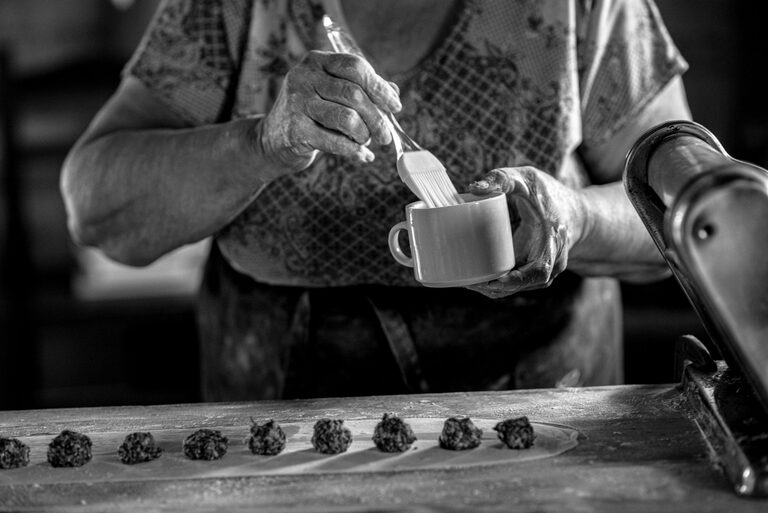
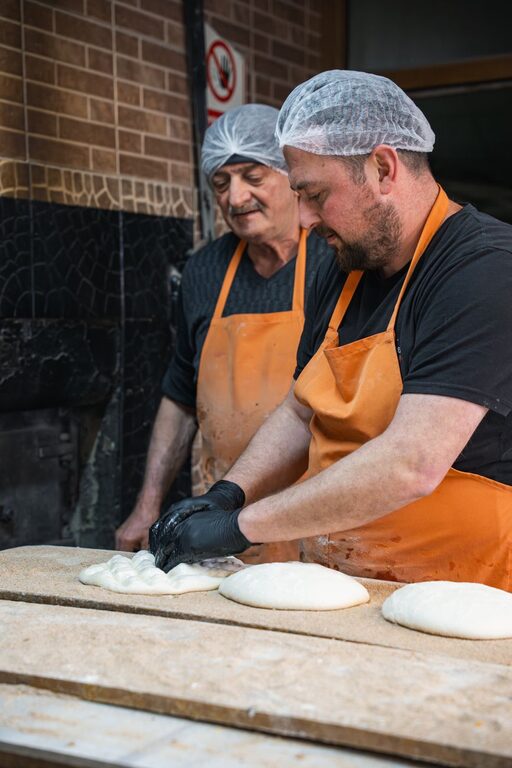
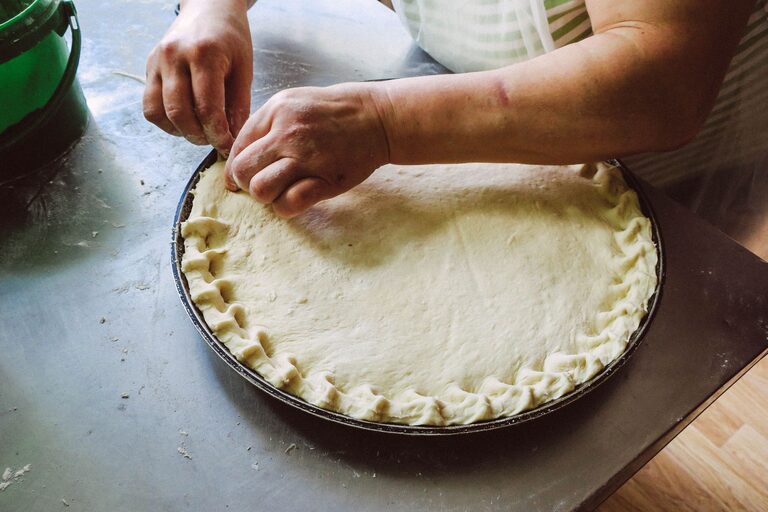
Pie contests offer natural opportunities for teaching. Experienced bakers can demonstrate how to prepare a tender crust, balance a filling, or decorate the top of a pie. Younger participants can ask questions and practice skills that may not be taught in a classroom.
The learning process often happens informally. A child may help measure ingredients, roll dough, or brush an egg wash over the crust. A teenager might experiment with presentation or develop a new recipe inspired by a classic. Older family members can explain why certain steps matter and share practical solutions learned through years of baking.
This exchange benefits everyone involved:
– Older bakers pass along techniques, stories, and confidence.
– Younger bakers gain hands-on experience and creative freedom.
– Families spend meaningful time working toward a shared goal.
– Communities create connections between people of different ages.
– Traditional recipes receive fresh attention and continued use.
The contest format can also make learning enjoyable. Participants have a clear deadline, a reason to practice, and a chance to see how their work compares with other entries.
Friendly Competition Encourages Creativity
Although judging is part of the event, most regional pie contests focus on participation and community spirit. Categories may include fruit pies, cream pies, savory pies, decorative pies, or recipes created by young bakers. Some contests also recognize qualities such as best crust, most creative design, or best use of local ingredients.
These categories allow bakers with different skill levels to take part. A first-time contestant may enter a simple family favorite, while an experienced baker may submit an elaborate design. Both entries contribute to the variety of the event.
Friendly competition can also inspire new ideas. Bakers may try unusual combinations, adjust traditional methods, or find creative ways to present familiar flavors. The result is a balance between preserving the past and exploring new possibilities.
Respecting the Original Recipe
Creative changes do not have to replace traditional recipes. Many bakers use contests to present an original version alongside a modern variation. For example, a classic apple pie might be followed by an apple and cranberry version, or a traditional pumpkin pie might receive a new decorative crust.
This approach respects the recipe’s history while recognizing that food traditions naturally evolve. A living tradition is one that people continue to prepare, discuss, and adapt.
Building a Welcoming Community Event
Successful pie contests usually depend on more than the bakers. Volunteers organize registration, prepare tables, manage tasting areas, and help explain the rules. Local businesses may donate ingredients, prizes, or display materials. Community groups can provide music, activities, or educational demonstrations.
A welcoming contest can include activities for visitors who are not entering a pie. These might include:
– Recipe-sharing tables
– Crust-making demonstrations
– Children’s decorating stations
– Local ingredient displays
– Story boards about family recipes
– Community cookbooks
– Tasting tables with clearly labeled entries
Clear guidelines help keep the event fair and enjoyable. Organizers can explain entry categories, judging standards, food safety expectations, and deadlines in advance. Providing a beginner category can also make the contest less intimidating for new participants.
Preserving Recipes for the Future
One of the most lasting results of a regional pie contest is the collection of recipes and stories it creates. Organizers can ask participants to submit a short description of their recipe’s background along with the ingredients and instructions.
These materials can be preserved in several ways:
- Create a printed community cookbook.
- Display recipe cards at a local library or community center.
- Record short interviews with participating bakers.
- Build a digital archive with permission from contributors.
- Share selected recipes in a community newsletter.
- Offer copies to local schools or historical groups.
Preservation efforts should respect the wishes of recipe owners. Some people may be happy to share a recipe publicly, while others may prefer to provide only its story or a general description. Clear permission makes the process comfortable for everyone.
Keeping the Tradition Growing
Regional pie contests succeed when they remain open to both tradition and change. Organizers can invite new residents, include a wide range of baking styles, and offer categories for different ages and experience levels. This helps ensure that the event reflects the whole community rather than a single group.
Families can support the tradition by baking together, writing down recipes, and discussing the people and places connected to each dish. Even a simple kitchen project can become an important memory when it is repeated over time.
The next generation may not prepare every recipe exactly as it was made in the past. They may use different tools, ingredients, or presentation styles. What matters is that they understand the recipe’s significance and feel encouraged to continue the story.
Regional pie contests bring people together through a food that is familiar, adaptable, and deeply connected to home. With every shared slice and every exchanged recipe, communities preserve their past while making room for new traditions.