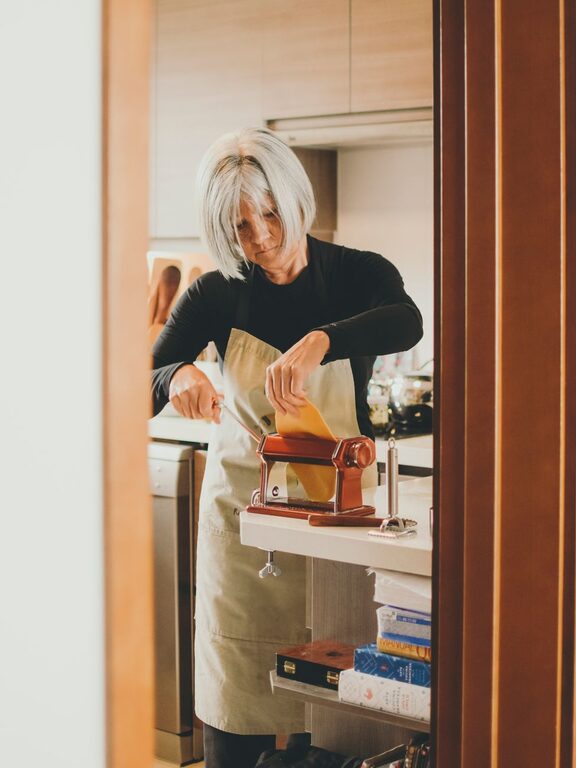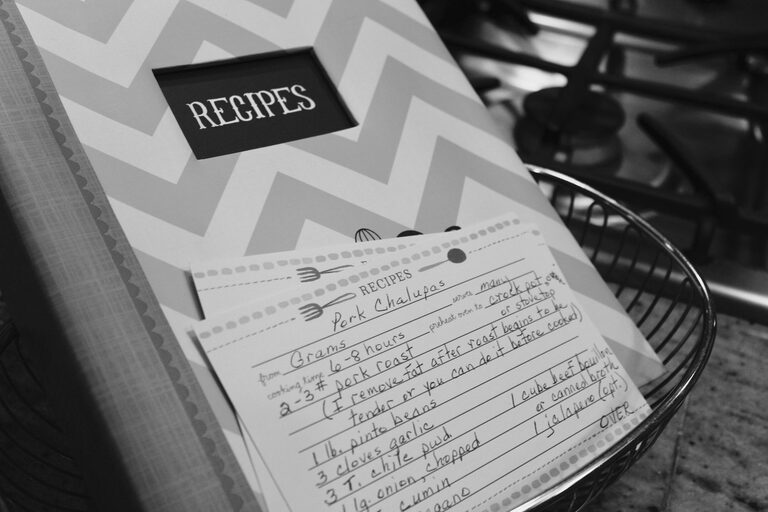
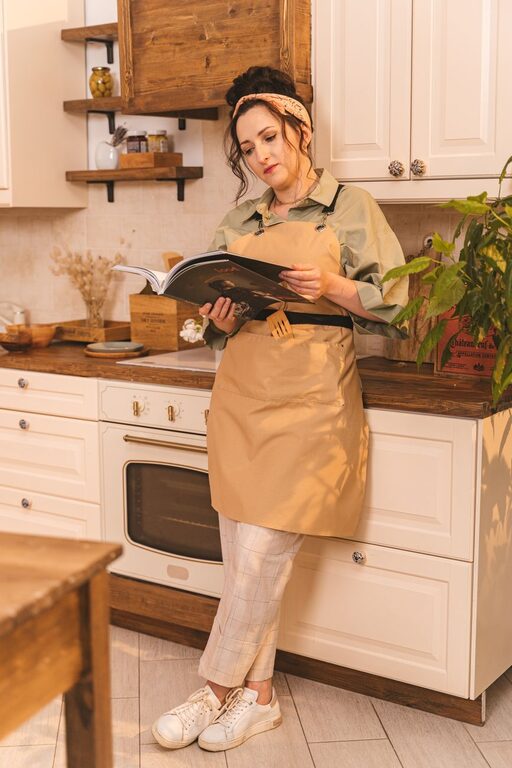
Vintage recipe collections are finding a fresh place in modern home kitchens. Handwritten cards, community cookbooks, family binders, and old magazines offer more than a look at the past. They provide practical cooking ideas, useful techniques, and flavors that can be adapted to contemporary tastes and schedules.
Many home cooks are drawn to these collections because they feel personal and approachable. A recipe written by a relative or gathered from a local community often reflects everyday cooking rather than professional presentation. The instructions may be simple, the ingredients familiar, and the results designed to bring people together.
Why Vintage Recipes Still Appeal
Vintage recipes often focus on making the most of basic ingredients. Before convenience foods became common, cooks relied on pantry staples, seasonal produce, and flexible methods. This approach remains useful today, especially for people who want to reduce waste or prepare satisfying meals without buying a long list of specialty items.
These recipes also offer a sense of connection. A cake from an old church cookbook or a soup from a family notebook may remind someone of a holiday, a relative, or a particular place. Cooking the dish can become a way to preserve a memory while creating a new tradition.
Several features make vintage collections especially appealing:
– Familiar ingredients that are easy to find
– Straightforward cooking methods
– Recipes designed for sharing
– Helpful ideas for using leftovers
– Regional flavors and traditions
– Room for personal interpretation
Turning Old Instructions Into Modern Recipes
One challenge is that older recipes may not include the detailed information today’s cooks expect. Instructions such as “bake until done” or “add enough flour” require observation and judgment. Measurements may also use terms that are less common now, and cooking temperatures may be missing or described by an oven setting rather than a precise number.
Rather than treating this as a problem, modern cooks can view it as an invitation to pay attention. Begin by reading the entire recipe before starting. Identify the likely texture, color, and aroma that signal each stage. If the instructions are unclear, compare the recipe with similar versions from reliable modern sources.
A few simple adjustments can make an old recipe easier to follow:
- **Rewrite measurements clearly.** Convert unfamiliar units into cups, tablespoons, grams, or milliliters as needed.
- **Clarify oven temperatures.** Translate older temperature descriptions into a specific setting.
- **List ingredients in cooking order.** This makes preparation faster and reduces mistakes.
- **Note preparation details.** Record whether vegetables should be chopped, sliced, peeled, or cooked first.
- **Add timing estimates.** Use the original directions as a guide, then adjust based on your equipment.
- **Record successful changes.** Keep notes so the recipe improves with each attempt.
Preserving the Original Character
Updating a vintage recipe does not mean changing everything. The goal is to preserve what makes the dish distinctive while making it practical for current kitchens.
For example, a recipe may be known for its tender texture, rich sauce, or particular spice combination. If an ingredient is difficult to find, choose a similar substitute that performs the same function. If the recipe is overly sweet, reduce the sugar gradually rather than removing it entirely. Small changes are often enough to balance an older formula.
It can also help to prepare the recipe once as written before making major adjustments. This establishes a reference point. Afterward, you can decide whether the dish needs a lighter texture, a shorter cooking time, or a different level of seasoning.
Keep the original recipe nearby when making changes. Mark revisions in pencil or create a separate updated version. This preserves the source while allowing the recipe to evolve.
Popular Types of Vintage Collections
Vintage recipe collections come in many forms, and each offers a different kind of inspiration.
Family Recipe Boxes
Family collections often contain handwritten notes, newspaper clippings, and recipes passed between generations. They may include personal comments such as “good for company” or “make this the night before.” These notes can be as valuable as the ingredient lists because they reveal how a dish was served and when it was considered useful.
Community Cookbooks
Community cookbooks were often created by schools, clubs, workplaces, and local organizations. They provide a snapshot of regional cooking and frequently include recipes from many households. Their variety makes them excellent sources for discovering older versions of familiar dishes.
Vintage Food Magazines
Old food magazines can show how ingredients, kitchen tools, and presentation styles changed over time. They may also include menus for holidays, casual gatherings, or weeknight meals. When using these sources, focus on the cooking method and flavor ideas rather than trying to copy every decorative detail.
Restaurant and Brand Cookbooks
Some vintage collections were published by restaurants, appliance companies, or food brands. These books often emphasize practical recipes built around commonly available products. They can be useful for learning classic preparation methods and combinations.
Making Vintage Cooking Fit a Busy Schedule
Many traditional recipes were designed for home cooks who had more time for preparation. Modern kitchens can preserve the spirit of those dishes while simplifying the process.
Prepare ingredients in advance and divide longer recipes into manageable stages. A stew, sauce, or dough may be made ahead and finished later. Batch cooking can also make vintage recipes more practical. Double a soup, casserole, or baked item and save portions for another meal.
Modern appliances may shorten cooking time without changing the character of a dish. A food processor can handle chopping, while a slow cooker or pressure cooker may help with braised dishes. Use these tools thoughtfully, since cooking times and liquid amounts may need adjustment.
The best recipes for busy schedules are often flexible. Look for dishes that can be assembled ahead, use one pot, or work well as leftovers.
Building a Personal Vintage Recipe Library
A growing collection does not need to be large. Choose a few recipes that interest you and document what happens when you prepare them.
For each recipe, record:
– The source and date, if known
– The original ingredient list
– Any substitutions
– Cooking time and temperature
– Serving ideas
– Notes about texture and flavor
– Changes to try next time
Digital tools can help preserve fragile cards and printed pages. Scan or photograph the originals, then store the files in clearly named folders. Keep a backup, especially for recipes with family history.
It is also helpful to create a practical index. Sort recipes by meal type, main ingredient, season, or preparation time. This turns a collection into a useful kitchen resource rather than a box of forgotten papers.
Creating New Traditions
Vintage recipes are not meant to remain untouched on a shelf. They become meaningful when they are cooked, shared, and adapted. Invite family members or friends to choose a recipe, prepare it together, and compare memories or ideas. A simple meal can become an opportunity to learn about a family’s habits and a community’s food traditions.
You can also combine old and new approaches. Serve a classic main dish with a fresh side, update a traditional dessert with seasonal fruit, or use a vintage sauce in a modern grain bowl. These combinations respect the original recipe while making it suitable for current preferences.
The renewed interest in vintage recipe collections reflects a desire for food that feels practical, personal, and connected to everyday life. With a little interpretation, old recipes can offer valuable lessons in resourceful cooking, thoughtful preparation, and shared enjoyment. In a modern kitchen, their greatest strength may be their ability to inspire both memories and new possibilities.