A Simple Hobby with Plenty to Discover
For home cooks, curiosity often begins with a single ingredient. A new spice, an unfamiliar vegetable, or a different cooking technique can lead to hours of enjoyable exploration. Tea offers the same sense of discovery, and tea-tasting clubs provide an easy way to explore it with others.
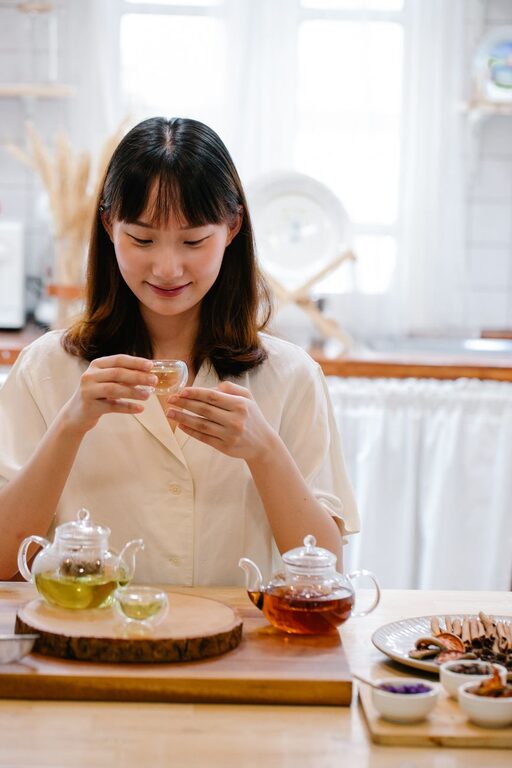
A tea-tasting club can be as informal as a few friends meeting around a kitchen table or as organized as a monthly group with a theme, tasting notes, and shared food. Members sample several teas, compare impressions, and learn how growing regions, processing methods, water temperature, and brewing time influence flavor.
The hobby is relaxed, affordable, and flexible. It does not require special expertise or a large collection of equipment. Most importantly, it gives curious home cooks a new way to connect tea with food, hospitality, and everyday creativity.
What Is a Tea-Tasting Club?
A tea-tasting club is a group that meets regularly to sample and discuss different teas. Each gathering may focus on a category, region, season, or preparation style.
Common themes include:
– Green teas from different countries
– Black teas with varied levels of strength
– Oolong teas with floral or roasted notes
– Herbal infusions and caffeine-free blends
– Chai-inspired mixtures
– Teas suited to breakfast or dessert
– Iced teas for warm-weather gatherings
– A single tea prepared with different brewing methods
Some clubs ask each member to bring one tea. Others choose a host who prepares the samples. There is no single correct format, which makes the hobby easy to adapt to different schedules, budgets, and group sizes.
Why Home Cooks Enjoy Tea Tasting
Home cooks already understand the value of paying attention to ingredients. Tea tasting builds on that skill without requiring a full meal or a long preparation process.
It Encourages Careful Observation
Tasting tea invites people to notice details they might otherwise overlook. Members can consider the dry leaves, aroma, color, texture, and finish. These observations become more useful over time, especially when comparing several teas side by side.
It Offers Creative Inspiration
Tea can influence cooking in surprising ways. A smoky tea may suggest roasted vegetables or grilled foods, while a bright citrus blend might pair well with fruit, simple cakes, or fresh salads. Some cooks use brewed tea in marinades, syrups, poaching liquids, sauces, and baked goods.
A tasting session can become a source of ideas for future recipes without turning into a formal cooking class.
It Creates a Calm Social Routine
Unlike a large dinner party, a tea gathering can be low-pressure. Hosts can prepare a few simple snacks, arrange cups and tasting notes, and let the conversation develop naturally. The focus is on sharing an experience rather than presenting a perfect menu.
How to Start a Tea-Tasting Club
Starting a club takes only a few basic decisions. Begin with a small group of interested friends, neighbors, or fellow cooking enthusiasts.
Choose a Comfortable Schedule
Monthly meetings are common because they give members enough time to find teas and plan a theme. A club can also meet every six weeks or follow the seasons.
Keep the first gathering simple. A group of four to eight people is large enough for discussion but small enough for everyone to taste each sample.
Set a Theme
A theme gives the tasting direction and makes shopping easier. For a first meeting, choose a category that offers variety without being overwhelming.
Good beginner themes include:
– Everyday black teas
– Green teas for different brewing styles
– Teas from one growing region
– Floral and fruit-forward blends
– Teas that pair with baked goods
– Loose-leaf tea compared with bagged tea
The theme can be broad or specific depending on the group’s experience.
Decide Who Provides the Tea
There are several easy options:
- The host provides all the teas.
- Each guest brings one sample.
- The group chooses teas together and shares the cost.
- A local tea shop prepares a selection for the club.
If guests bring tea, agree on a sample size in advance. A small amount is usually enough for several cups, especially when the group is tasting rather than drinking full servings.
Basic Equipment for a Home Tasting
A formal tea setup is not necessary. Use what you already have, then add a few helpful items if the club becomes a regular activity.
Useful supplies include:
– A kettle with temperature settings, if available
– A teapot or infuser for each sample
– Small cups or tasting glasses
– Spoons
– Labels or numbered cards
– A timer
– Plain water for rinsing the palate
– Paper or digital tasting sheets
– A neutral snack such as plain crackers
Try to use similar cups and brewing vessels for each tea. Consistent serving tools make comparisons easier.
A Simple Tasting Method
Tea tasting works best when everyone follows the same basic process. Consistency helps the group focus on the differences between samples.
1. Look at the Dry Tea
Observe the leaves, herbs, flowers, or spices before brewing. Note their size, color, shape, and scent. This first impression can change after the tea is steeped.
2. Brew Each Sample Carefully
Follow the recommended water temperature and steeping time when those details are available. If instructions are not provided, use a moderate approach and record what you do.
The goal is not to find a perfect method immediately. It is to make each sample as consistent as possible so the group can compare them fairly.
3. Smell the Brewed Tea
Before taking a sip, pause to notice the aroma. Look for familiar impressions such as grass, flowers, citrus, toast, wood, fruit, spice, or honey. There is no need to identify an exact ingredient. Descriptive words are simply tools for discussion.
4. Taste Slowly
Take a small sip and allow the tea to move across the palate. Consider its body, flavor, and finish. Is it light or full? Smooth or sharp? Sweet, savory, floral, roasted, earthy, or fresh?
Encourage members to describe what they notice without worrying about being “right.” Personal impressions are part of the fun.
5. Compare Notes
After everyone has tasted the samples, discuss the group’s observations. Tasting sheets can include a rating scale, but rankings should remain optional. The most popular tea may not be the most technically complex, and that is perfectly fine.
Pairing Tea with Simple Foods
Food pairings can make a tasting more appealing to home cooks. Choose mild foods that support the tea rather than overpowering it.
Try pairing:
– Green tea with rice dishes, cucumber sandwiches, or lightly seasoned vegetables
– Black tea with scones, toast, sharp cheese, or spiced baked goods
– Oolong tea with roasted nuts, dumplings, or grilled foods
– Herbal infusions with fruit, shortbread, or fresh salads
– Spiced tea blends with cookies, roasted squash, or warm grains
Serve small portions so guests can focus on the tea. It can also be interesting to taste the same tea before and after eating a particular food.
Keeping the Club Fresh
Once the group has established a routine, introduce new activities. Invite a local tea shop owner to lead a session, compare loose-leaf and bagged versions of a similar tea, or hold a blind tasting with numbered cups.
Members can also take turns hosting and choosing the theme. This keeps the club varied and shares the planning work.
A tasting notebook is another useful addition. Record the tea name, source, brewing method, food pairing, and group impressions. Over time, the notebook becomes a personal guide to favorite flavors and future purchases.
A Welcoming Hobby for Any Skill Level
Tea-tasting clubs are easy to enjoy whether members are longtime tea drinkers or complete beginners. The activity combines thoughtful tasting, simple hosting, and the pleasure of learning something new together.
For home cooks, it offers a natural extension of the kitchen: a chance to explore ingredients, refine observation skills, and discover new food pairings. With a kettle, a few cups, and a curious group of friends, an ordinary afternoon can become a relaxing and memorable tasting experience.