Local food festivals are more than places to sample snacks and shop for fresh ingredients. They bring together farmers, bakers, chefs, home cooks, food makers, and curious visitors in one lively setting. For many people, that experience sparks a new interest in cooking, baking, gardening, preserving, or exploring food traditions.
A single conversation with a vendor or a hands-on demonstration can make an unfamiliar activity feel simple and inviting. Instead of reading about a new ingredient or technique at home, visitors can see it, taste it, and ask questions in person. That personal connection often provides the motivation to try something new in the kitchen.
Why Food Festivals Encourage Creativity
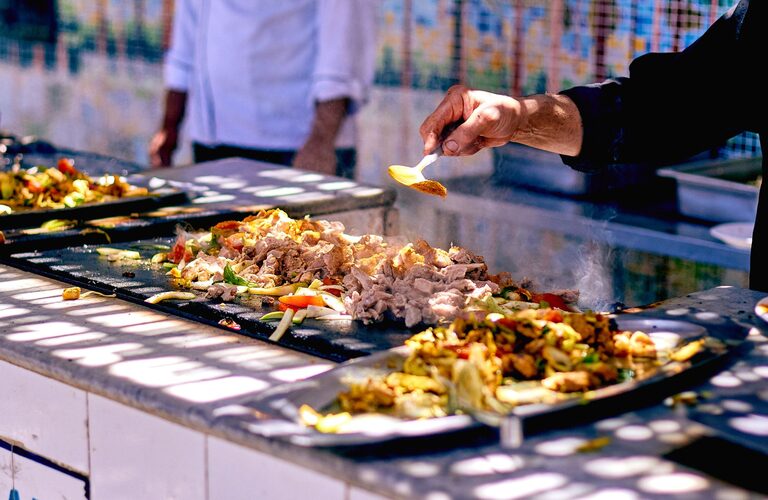
Food festivals create an atmosphere of discovery. Tables are often filled with colorful produce, handmade goods, regional specialties, and creative dishes. The variety encourages visitors to look beyond their usual shopping lists and consider ingredients they may not have used before.
Festivals also make food feel social. Cooking is no longer an activity that happens alone in a kitchen. It becomes part of a shared experience involving stories, demonstrations, music, and conversation. This friendly environment can make beginners feel more comfortable asking questions and trying unfamiliar ideas.
Several features make festivals especially inspiring:
– Samples let visitors try new flavors without buying large amounts.
– Demonstrations show how recipes and techniques work.
– Local producers explain where ingredients come from.
– Workshops provide simple, guided practice.
– Conversations offer practical tips that may not appear in a recipe.
– Community events make learning feel relaxed and enjoyable.
These experiences can turn casual interest into a lasting hobby.
Discovering New Ingredients
One of the easiest ways to leave a food festival with a new hobby is to bring home an unfamiliar ingredient. A visitor might encounter a variety of squash, a local grain, a fresh herb, or a handmade spice blend. Talking with the person who grew or prepared it can reveal how to use it.
This often leads to a simple challenge: create one meal using the new ingredient. The first attempt does not need to be complicated. A seasonal vegetable can be roasted, a fresh herb can be added to a salad, or a specialty flour can be used in a small batch of bread.
As people become more comfortable experimenting, they may begin keeping a list of ingredients they want to try. This can grow into a hobby focused on recipe testing and flavor discovery.
Keeping an Ingredient Journal
An ingredient journal is a simple way to remember festival discoveries. Each entry can include:
– The ingredient’s name
– Where it was purchased
– How it tastes or smells
– Suggested uses
– Recipes to try
– Notes about what worked
This practice helps turn a one-day event into an ongoing learning project.
Learning the Art of Baking
Baking demonstrations are common at local food festivals, and they often attract people who want to learn a practical, creative skill. Watching a baker shape dough or decorate a cake can make the process seem more approachable.
Many new bakers begin with simple projects such as muffins, biscuits, flatbreads, or cookies. These recipes provide opportunities to learn basic skills, including measuring ingredients, mixing, shaping, and understanding oven temperatures.
Over time, baking can become a rewarding hobby because it combines structure with creativity. A recipe offers clear steps, while decorations, flavors, and shapes allow room for personal choices.
Beginners can build confidence by:
- Choosing recipes with a short ingredient list.
- Reading the full recipe before starting.
- Measuring carefully.
- Making notes about the results.
- Changing only one part of the recipe at a time.
Festival demonstrations may also introduce regional baking traditions, giving hobbyists ideas for future projects.
Exploring Homemade Preserves
Fresh produce at a food festival can inspire visitors to explore preserves, including jams, pickles, sauces, and dried foods. These projects offer a way to enjoy seasonal flavors beyond the festival itself.
Many people start with a small batch of fruit spread or refrigerator pickles. These approachable projects can help beginners understand flavor combinations and basic preparation methods. A person might pair berries with citrus, combine vegetables with herbs, or create a sauce from roasted produce.
Preserving can also encourage a closer connection to the seasons. When certain fruits or vegetables appear at the market, hobbyists may look forward to creating a new batch each year. Labels and simple notes can make the process feel organized and personal.
Anyone interested in preserving should follow current, reliable food safety guidance and use tested methods suited to the type of preserve being made.
Growing a Kitchen Garden
A conversation with a local grower can inspire a new gardening hobby. Festival visitors may learn which herbs, vegetables, or edible flowers grow well in their area and how they can use them in everyday meals.
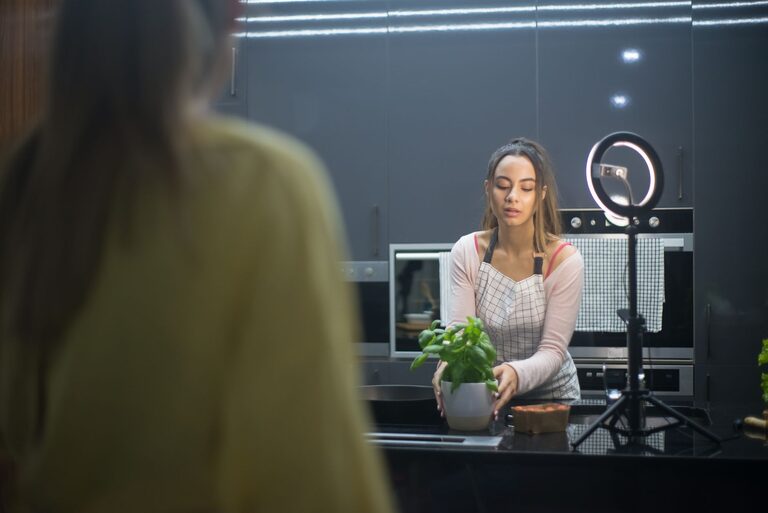
Kitchen gardening does not require a large yard. Many herbs grow well in containers on a balcony, patio, or sunny windowsill. Starting with a few plants can provide a manageable introduction to gardening.
Useful beginner choices may include:
– Basil
– Mint
– Chives
– Parsley
– Lettuce
– Cherry tomatoes
Growing even a small amount of food can change how people cook. A handful of freshly picked herbs may encourage someone to prepare more salads, soups, sauces, or homemade dressings.
Finding Inspiration in Food Traditions
Local festivals often celebrate the food traditions of a community. Recipes may reflect family history, regional ingredients, or techniques passed from one generation to the next. Visitors can discover new ways to prepare familiar foods and learn the stories behind them.
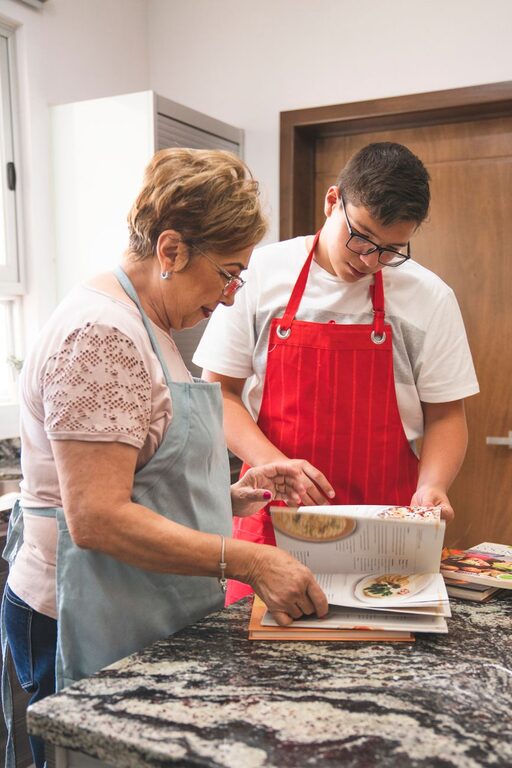
This may inspire hobbies such as researching traditional recipes, collecting cookbooks, or interviewing relatives about favorite meals. Some people create a personal recipe collection that combines festival discoveries with family dishes.
Cooking from different traditions can also improve kitchen confidence. It encourages people to explore new combinations of spices, textures, and preparation methods while respecting the origins of the recipes.
Turning Festival Inspiration Into a Routine
The excitement of a festival can fade unless it becomes part of a regular routine. Fortunately, a new culinary hobby does not require hours of practice every week. Small, consistent steps are often enough.
Try setting a simple goal, such as:
– Cooking one new recipe each month
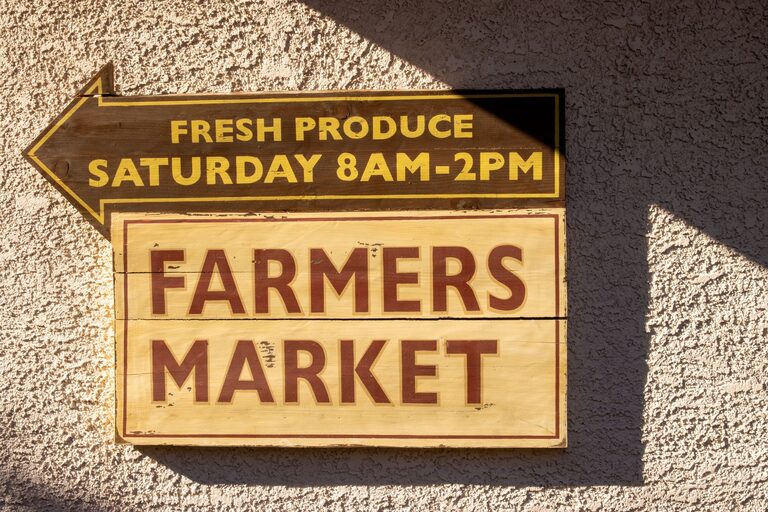
– Visiting a farmers market regularly
– Baking on one weekend morning
– Growing two herbs at home
– Keeping a notebook of favorite festival foods
– Inviting friends to share a themed meal
It can also help to choose one skill at a time. Focusing first on bread, sauces, seasonal vegetables, or desserts makes progress easier to notice.
Sharing the Experience With Others
Food hobbies become even more enjoyable when shared. Friends and family can taste new recipes, compare results, or join a small cooking project. A group might organize a recipe exchange, host a seasonal dinner, or visit a festival together each year.
Sharing also creates accountability. When someone knows that others are looking forward to tasting a homemade dish, they may feel more motivated to practice.
A Lasting Source of Inspiration
Local food festivals offer more than a pleasant day out. They introduce people to ingredients, techniques, producers, and traditions in a welcoming setting. That exposure can lead to new hobbies that are creative, practical, and connected to the community.
Whether the result is a windowsill herb garden, a weekly baking habit, or a collection of homemade sauces, the journey often begins with one small discovery. By staying curious and starting with manageable projects, anyone can turn festival inspiration into a lasting part of everyday life.